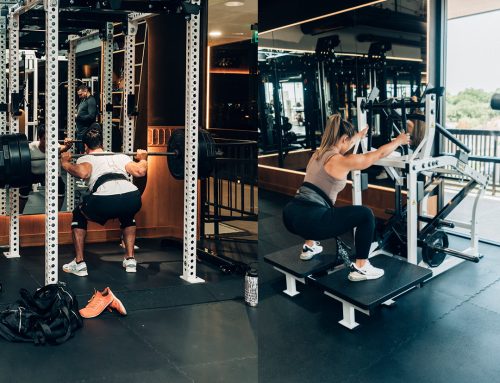

If your goal is to stay active, strong, and pain-free long term, strength training isn’t optional — it’s essential. But that doesn’t mean you need dozens of exercises or complicated programs.
In fact, most active adults benefit from consistently training just five fundamental movement patterns.
These movements support your joints, improve performance, and carry over directly to daily life, whether that’s lifting groceries, training in the gym, or staying competitive in your favorite sport.
Why Strength Training Matters for Active Adults
Strength training helps:
- Protect joints and connective tissue
- Improve balance and coordination
- Maintain muscle mass and bone density
- Reduce injury risk
- Increase confidence in movement
This doesn’t mean maxing out every session. It means smart, consistent, and progressive training..
The 5 Strength Moves Every Active Adult Needs
-
A Squat or Split Squat Pattern
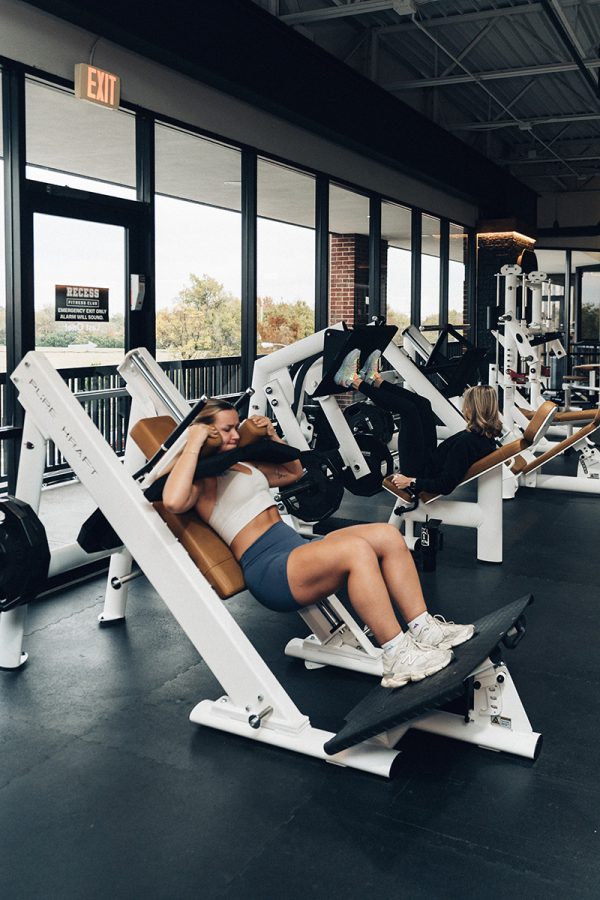
Squats train your legs, hips, and core to work together in a movement pattern we use constantly in daily life.
Why it matters
- Supports knee and hip health
- Improves ability to sit, stand, and lift
Examples
- Goblet squat
- Box squat
- Split squat or rear-foot elevated split squat
PT tip: If knee pain shows up, it’s often a load management issue — not a reason to avoid squats altogether. Work with your trainer or PT to modify your loading and reps.
-
A Hinge Pattern (Deadlift or Hip Thrust)
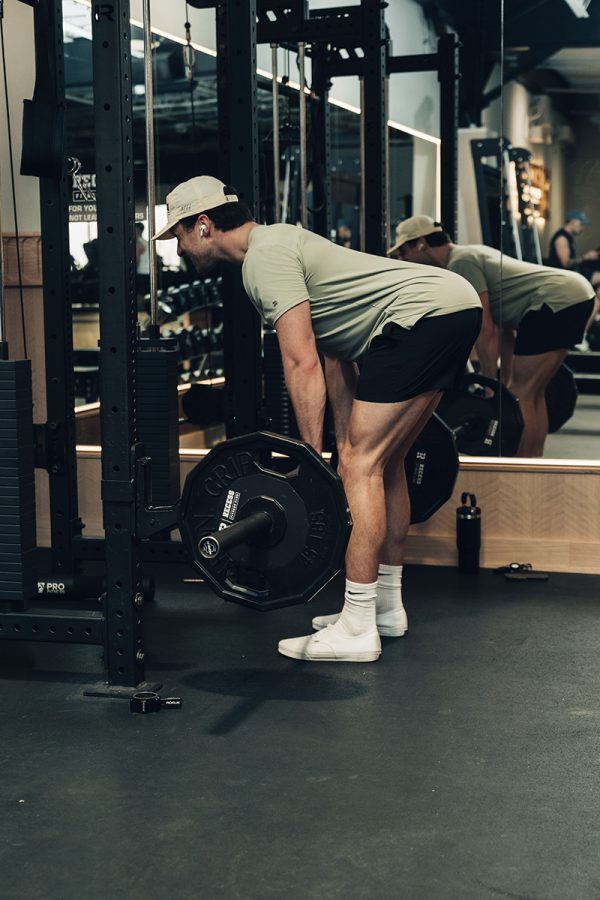
Hinging teaches your body how to generate power from the hips without stressing the lower back.
Why it matters
- Protects your spine
- Improves lifting mechanics
- Builds glute and hamstring strength
Examples
- Kettlebell deadlift
- Romanian deadlift
- Hip thrust
PT tip: A strong hinge is one of the best tools for preventing low back pain.
-
A Push Pattern (Upper Body)
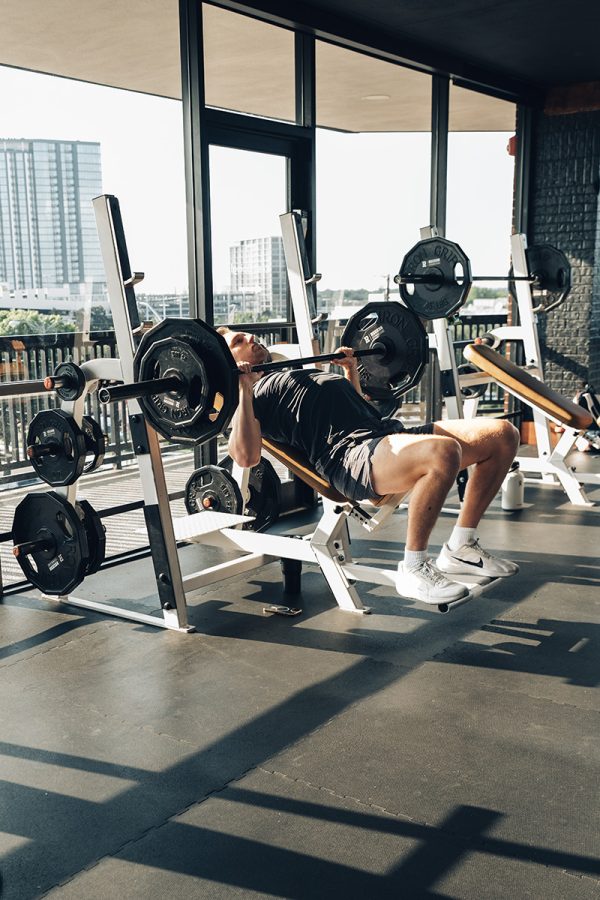
Pushing movements strengthen your chest, shoulders, and triceps while teaching shoulder joint stability.
Why it matters
- Supports overhead and daily pushing tasks
- Builds shoulder stability
Examples
- Push-ups
- Dumbbell bench press
- Overhead press
PT tip: Pain during pushing often improves with better scapular control and progressive loading — not complete avoidance. Again, check with your trainer or PT to assess your scapular mechanics and modify exercises.
-
A Pull Pattern (Upper Body)
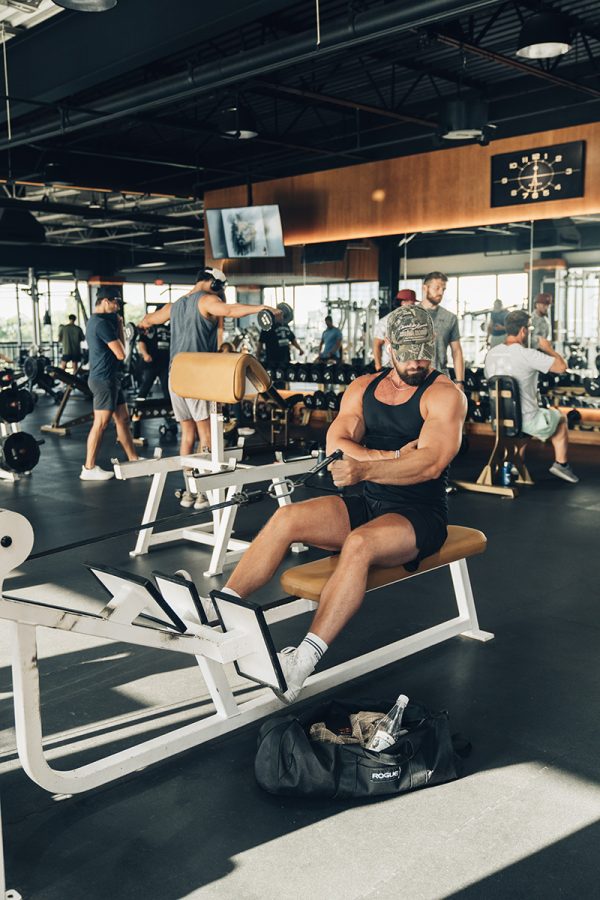
Pulling movements balance pushing work and are critical for shoulder health and postural control.
Why it matters
- Improves posture and shoulder mechanics
- Reduces neck and upper back strain
Examples
- Seated row
- One-arm dumbbell row
- Lat pulldown
PT tip: Many shoulder issues improve simply by prioritizing pulling strength!
-
A Carry (Loaded Carry)
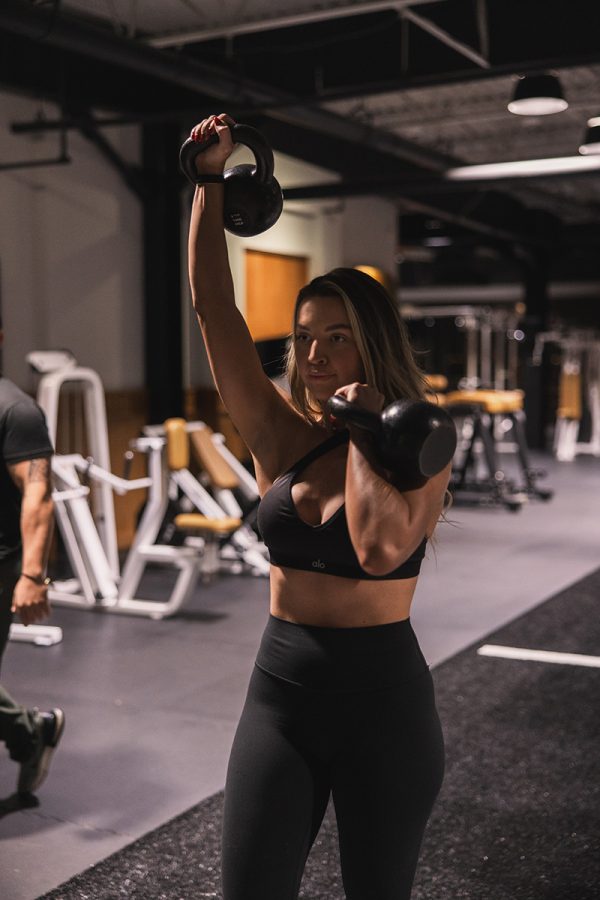
Carries are one of the most underrated strength tools, and one of the most functional.
Why it matters
- Trains core stability
- Improves grip strength
- Builds real-world resilience
Examples
- Farmer carry
- Suitcase carry
- Front rack carry
PT tip: If you want a strong core that actually transfers to life, carries beat sit-ups every time.
How Often Should You Train These?
For most active adults:
- 2–3 strength sessions per week
- 2–4 sets per movement
- Moderate loads you can control with good technique
You don’t need to crush yourself every workout. Consistency beats intensity.
Common Mistakes We See
- Skipping unilateral (single-leg) work
- Avoiding strength training due to pain instead of modifying it
- Focusing on random exercises instead of movement patterns
What This Means for You
If you’re:
- Staying active recreationally
- Training in the gym
- Managing recurring aches and pains
These five movement patterns create a strong foundation that supports everything else you do.
How Physical Therapy Fits In
At Recess Physical Therapy, we help active adults:
- Identify which patterns they need most
- Modify movements around pain or limitations
- Progress strength safely and confidently
👉 Not sure where to start or what to adjust?
Book a strength or movement assessment with our PT team and let’s build a program that works for you.