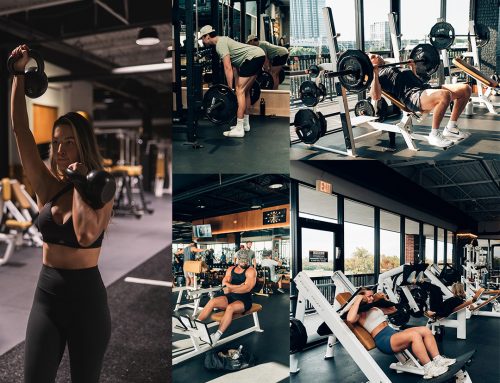

If you’ve ever been told you need to find the perfect back squat and repeat it forever — you’re not alone. In fitness and rehab spaces, there’s often a heavy emphasis on “ideal form.” While technique absolutely matters, the idea that there’s only one right way to move is incomplete.
In reality, your body doesn’t get stronger by repeating the same movement over and over — it gets stronger by adapting to variety.
That’s where movement variability comes in.
What Is Movement Variability?
Movement variability is the ability to perform the same general task (like squatting) using slightly different joint angles, loads, tempos, and positions.
Instead of asking:
“Am I squatting perfectly?”
We ask:
“Can my body handle squatting in many different ways?”
This matters because real life — and real workouts — are rarely identical rep to rep.
Why One “Perfect” Squat Isn’t Enough
When you repeat the exact same movement pattern under load:
- Stress accumulates in the same tissues
- Certain joints or muscles get overloaded
- Others never get challenged
Over time, this can contribute to overuse injuries, stiffness, or pain — even in people who “lift with good form.”
Movement variability:
- Distributes stress more evenly
- Builds resilience across joints
- Improves adaptability to unexpected positions (think: uneven ground, missed reps, daily life)
In short: variety builds durability.
What Squat Variability Looks Like in Practice
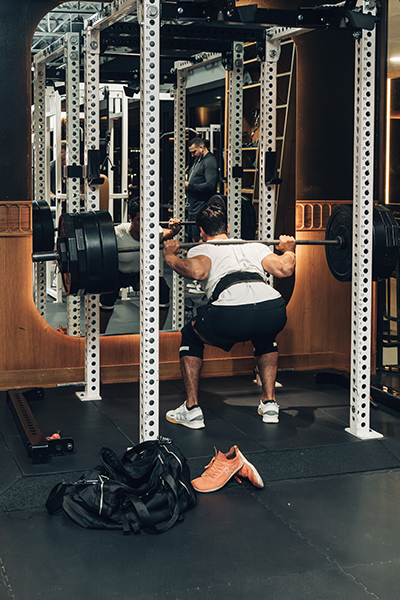
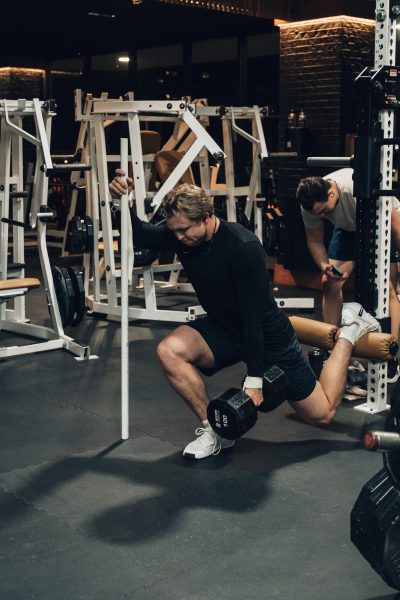
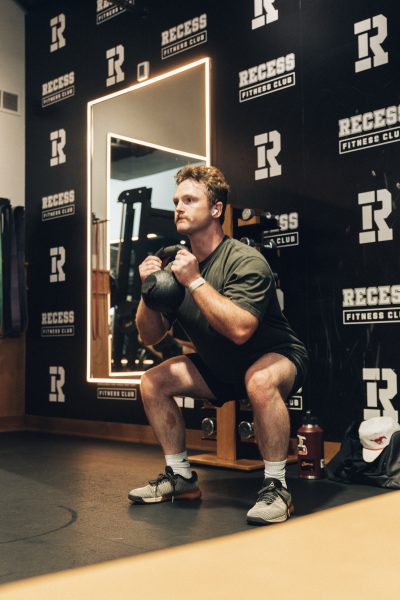
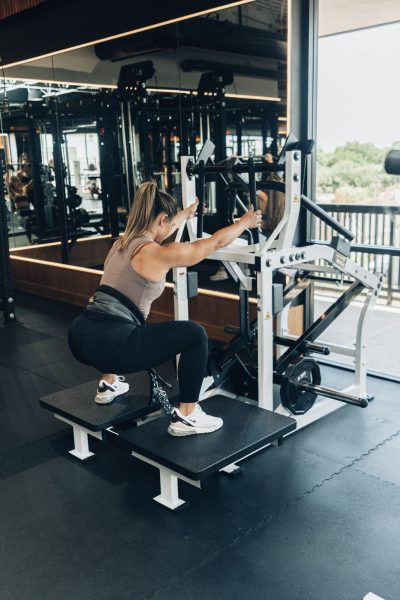
- Goblet Squat
Encourages upright posture, core engagement, and depth control. - Split Squat
Challenges single-leg strength, hip stability, and asymmetries. - Box Squat
Improves control, confidence, and consistency at the bottom of the movement. - Tempo Squat
Builds strength through time under tension and improves motor control. - Overhead Squat
Demands mobility, coordination, and total-body integration.
None of these are “better” than the others — they’re simply different tools.
Why Movement Variability Makes You Stronger (and Less Injury-Prone)
Training with variety helps you:
- Strengthen muscles through multiple ranges of motion
- Improve joint tolerance under different loads
- Reduce repetitive strain on the same tissues
- Move more confidently and efficiently
From a rehab and performance standpoint, this is key. Most injuries don’t happen because someone moved “wrong” — they happen because tissues were underprepared for a demand.
How to Add Variability Safely
You don’t need to overhaul your entire program. Start simple:
Change ONE variable at a time
- Load (lighter or heavier)
- Range of motion
- Stance width
- Tempo
- Implement (dumbbell, kettlebell, barbell)
Keep the intent the same
You’re still training a squat — just exposing your body to new, controlled challenges.
Progress gradually
New movement ≠ max effort on day one.
What This Means for Active Adults
If you:
- Lift regularly
- Run, cycle, or play recreational sports
- Want to stay active long-term without nagging pain
Then movement variability isn’t optional — it’s essential.
Strong bodies aren’t built by perfection.
They’re built by adaptability.
How Physical Therapy Fits In
At Recess Physical Therapy, we don’t just look at how you move — we look at how many ways you can move well.
Whether you’re training hard, coming back from pain, or trying to stay active as you age, we help you:
- Identify movement gaps
- Build strength across ranges
- Train smarter, not just harder
👉 Not sure if your training is helping or hurting?
Book a movement assessment with our PT team and let’s build resilience into your workouts.